
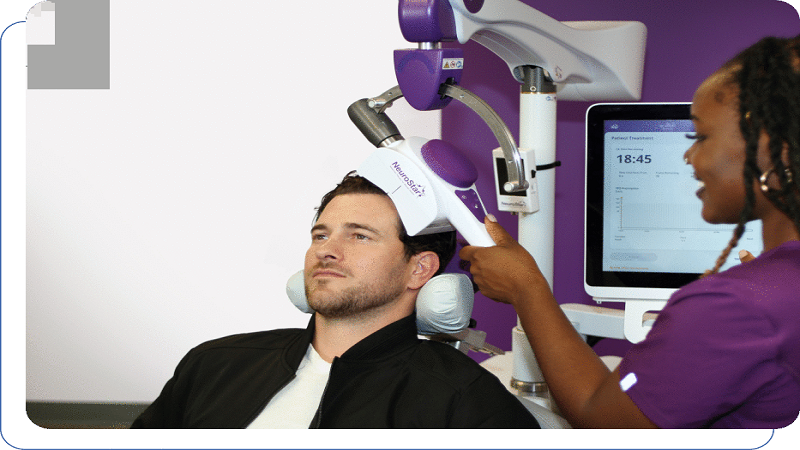
If you have lived with major depression, you know that recovering from an acute episode is only half the battle. The constant anxiety of facing another relapse can make it hard to enjoy periods of feeling well. At Weston Psychological Associates, clinical teams focus on helping individuals break this exhausting cycle for good. Traditional treatments like oral antidepressant medications often provide temporary symptom reduction, but many people experience recurring symptoms when medication effectiveness wanes over time. By incorporating advanced brain stimulation through TMS Therapy Weston FL, you can target the root neurological causes of persistent depression and build lasting emotional resilience.
Depression relapse occurs when neural circuits responsible for regulating mood lose their functional balance. When you experience chronic depression, specific areas of the brain, particularly the prefrontal cortex, undergo physical shifts in synaptic strength and connectivity. Standard pharmacological interventions adjust neurotransmitter levels throughout the brain and body, but they do not always restore long-term structural harmony within mood networks. Once medication is reduced or when your body builds tolerance, those underactive neural pathways can easily slip back into patterns of dysfunction, causing depressive symptoms to return.
Understanding How TMS Prevents Depression Relapse
At Weston Psychological Associates, neurostimulation protocols focus on rebuilding neural strength to prevent depression from returning. Transcranial Magnetic Stimulation (TMS) uses localized magnetic pulses to activate underactive neurons in the brain’s mood center. Rather than offering a temporary chemical boost, this targeted stimulation triggers long-term potentiation, a physiological process where synaptic connections strengthen over time through repeated activity.
This structural reinforcement creates what neuroscientists call brain resilience. By repeatedly stimulating dormant neural pathways over a multi-week treatment course, TMS encourages your brain to reorganize itself and construct durable neural highways. When life stressors arise, a resilient brain processes emotional challenges without collapsing back into severe depressive states. Because TMS encourages natural neuroplasticity, the biological benefits often extend far beyond the completion of your initial treatment protocol.
Key Strategies to Maintain Remission After TMS
- Structural Synaptic Strengthening: Daily TMS sessions encourage long-term neuroplastic adaptation, reinforcing synaptic links in mood-regulating circuits so they remain active long after treatment ends.
- Reduced Reliance on Medication Tolerance: Because TMS directly targets brain circuits rather than relying solely on systemic chemistry, you avoid the common risk of building medication tolerance over time.
- Early Detection and Maintenance Care: Routine follow-up assessments help monitor your emotional health, allowing clinicians to identify subtle mood shifts early and provide brief booster sessions if necessary.
- Synergy with Healthy Behavioral Habits: Stronger neural connectivity improves your executive functioning, making it significantly easier to maintain regular sleep schedules, physical activity, and stress management routines that protect against relapse.
Creating a Personalized Long-Term Wellness Plan
Preventing relapse requires a comprehensive approach designed around your unique biological profile and lifestyle factors. Your care plan begins with a detailed review of your past treatment response, identifying specific triggers that historically led to depressive episodes. Understanding these personal vulnerability factors helps clinicians design a targeted brain stimulation protocol along with structured post-treatment monitoring.
Throughout your initial care cycle, therapists and clinicians evaluate your progress using objective symptom assessments. As your mood stabilizes and executive function improves, you work together to build a sustainable wellness routine. This includes developing practical coping strategies, establishing healthy sleep hygiene, and identifying early warning signs of emotional strain.
When you partner with the compassionate team at Weston Psychological Associates, you gain access to comprehensive care designed to safeguard your mental health over the long haul. Combining advanced TMS protocols with individualized support gives you the physical foundation and psychological tools needed to protect your progress and enjoy a vibrant, depression-free life.
Frequently Asked Questions About Preventing Depressive Relapse
How long do the results of TMS therapy typically last?
Many patients experience sustained relief for a year or longer after completing a full TMS course. Because TMS promotes lasting neuroplastic changes, the brain maintains healthier circuit activity well after daily sessions end.
Can you receive TMS maintenance sessions if symptoms start returning?
Yes. If you notice early signs of a depressive flare-up, brief booster protocols consisting of a few TMS sessions can quickly reactivate neural pathways and prevent a full-blown relapse.
How do clinicians at Weston Psychological Associates monitor for potential relapse?
Clinicians at Weston Psychological Associates schedule periodic follow-up evaluations using standardized mood tracking tools. These regular check-ins ensure that any subtle shifts in brain health are addressed promptly before they impact your quality of life.
Is TMS therapy safe to repeat if needed in the future?
TMS therapy is exceptionally safe and well-tolerated. Because it does not cause systemic side effects, patients can safely undergo additional treatment courses or maintenance sessions whenever needed without accumulating organ toxicity or systemic risks.
To learn more or schedule a consultation, call Weston Psychological Associates at (954) 217-2444.