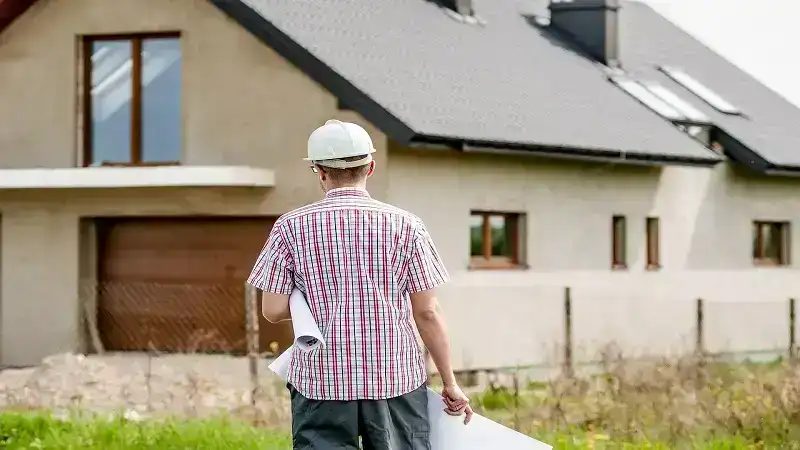
A home should be a place of comfort, peace, and security. However, when repairs are neglected or upgrades are postponed, even the coziest home can turn into a source of stress. To maintain a healthy, functional, and happy living environment, homeowners must stay proactive. In this article, we’ll explore the essential repairs and upgrades for a stress-free home, covering every corner of your living space—from the foundation to the roof.
1. Inspect and Maintain Your Roof Regularly
The roof is your home’s first line of defense against harsh weather. Over time, exposure to sun, wind, and rain can cause cracks, leaks, or broken shingles. Small roof problems often go unnoticed until they lead to serious water damage or mold growth.
Schedule a professional roof inspection at least once a year, preferably before the rainy season. Replace any damaged tiles, seal leaks immediately, and clean gutters to prevent water buildup. If your roof is over 20 years old, consider upgrading to more durable and energy-efficient materials like metal or architectural shingles. A well-maintained roof not only protects your property but also provides peace of mind during storms.
2. Keep Plumbing in Perfect Condition
A dripping faucet or a slow drain may seem minor, but plumbing issues can escalate quickly, leading to water damage and higher bills. Regularly check for leaks under sinks, around toilets, and near water heaters. Ensure your water pressure is balanced to avoid damaging pipes.
If your home has old galvanized pipes, upgrading to modern PVC or copper plumbing can improve water flow and prevent corrosion. Consider installing water-saving fixtures like low-flow showerheads and dual-flush toilets. These not only conserve water but also reduce utility costs—one of the smartest essential repairs and upgrades for a stress-free home.
3. Upgrade Electrical Systems for Safety
Old or faulty wiring is a major cause of household fires. If your home is more than 20 years old, it’s time to assess your electrical system. Look for flickering lights, tripped breakers, or warm outlets—these are red flags that your wiring needs attention.
Hire a licensed electrician to inspect your electrical panel and outlets. Upgrading to a modern breaker system with surge protection ensures your appliances and electronics remain safe. If you frequently use multiple devices, add extra outlets to reduce the need for extension cords. Energy-efficient LED lighting is another upgrade that saves power while enhancing comfort and ambiance.
4. Improve Insulation and Energy Efficiency
Energy costs can skyrocket when a home isn’t properly insulated. Drafts and poor insulation allow heat to escape in winter and hot air to invade in summer, making your HVAC system work harder.
Start by sealing gaps around doors and windows using weatherstripping or caulk. Check your attic and walls for insulation levels and add more if necessary. You can also install double-glazed windows and insulated doors for better energy performance. These upgrades not only reduce monthly bills but also make your living space more comfortable year-round—another one of the essential repairs and upgrades for a stress-free home.
5. Maintain HVAC Systems for Year-Round Comfort
Heating, ventilation, and air conditioning systems are crucial for maintaining indoor comfort. However, without regular maintenance, they can lose efficiency and break down unexpectedly.
Change filters every 1–3 months and schedule professional tune-ups twice a year—once before summer and once before winter. Clean vents and ducts to ensure good airflow and indoor air quality. If your system is over 10 years old, upgrading to an energy-efficient model with a smart thermostat can cut energy use significantly. Proper HVAC care ensures consistent comfort and eliminates the stress of sudden breakdowns during extreme weather.
6. Secure Your Home with Modern Safety Features
A stress-free home is also a safe home. Modern security systems have evolved beyond traditional locks and alarms. Consider installing smart locks, motion-sensor lights, and a video doorbell.
Smoke and carbon monoxide detectors should be placed in key areas, with batteries tested monthly. If your home lacks a fire extinguisher, get one for the kitchen and another for the garage. Reinforcing doors and windows adds another layer of security. These simple steps protect your family and property, helping you live without constant worry.
7. Refresh Walls, Floors, and Ceilings
Aesthetics play a big role in how you feel at home. Cracked walls, chipped paint, or worn-out floors can make your space feel neglected and stressful.
Patch any wall cracks, repaint with light and soothing colors, and repair damaged tiles or floorboards. Upgrading flooring to materials like vinyl planks, hardwood, or ceramic tiles can modernize your home and make it easier to clean. Ceiling stains or sagging plaster may indicate leaks—address these immediately. A clean, refreshed interior not only looks inviting but also boosts your mood and comfort.
8. Upgrade the Kitchen and Bathrooms
Kitchens and bathrooms are the most used spaces in any home—and often the most prone to wear and tear. Leaky faucets, outdated appliances, and poor ventilation can make these rooms inefficient and unpleasant.
In the kitchen, repair or replace faulty plumbing, upgrade to energy-efficient appliances, and install good lighting. For the bathroom, ensure proper waterproofing around tubs and showers, fix loose tiles, and consider adding ventilation fans to prevent mold growth. These spaces are central to daily life, and investing in their upkeep is one of the smartest essential repairs and upgrades for a stress-free home.
9. Maintain Your Foundation and Exterior
Your home’s foundation supports everything above it. Cracks, shifting soil, or poor drainage can cause structural issues over time. Check for signs of foundation damage—like uneven floors or wall gaps—and consult a structural engineer if needed.
Keep gutters clean and ensure downspouts direct water away from your home. Seal any exterior cracks and repaint walls to protect against weather damage. Regularly inspect decks, patios, and driveways for wear and tear, repairing them promptly. Taking care of the exterior prevents long-term issues that could cost thousands down the line.
10. Modernize Lighting and Smart Home Features
Lighting impacts both function and mood. Outdated or dim lighting can make a home feel gloomy and inefficient. Replace old bulbs with energy-efficient LEDs and add layered lighting—ambient, task, and accent—to create a welcoming environment.
Consider installing smart home systems that allow you to control lighting, temperature, and security remotely. These upgrades save energy and add convenience. Automating your home through smart devices can reduce daily stress, giving you greater control over your environment.
11. Regular Pest Control and Cleanliness
Pests like termites, rodents, or ants can cause significant damage if ignored. Schedule regular pest inspections, seal entry points, and maintain cleanliness to prevent infestations.
Declutter storage areas, clean behind appliances, and dispose of waste properly. A clean, organized home reduces the likelihood of pest problems and creates a calmer, healthier space. Simple routines like sweeping daily and disinfecting surfaces go a long way in maintaining hygiene and comfort.
12. Landscaping and Outdoor Maintenance
Curb appeal matters not just for aesthetics but for your mental well-being. A tidy yard with healthy plants, trimmed grass, and clean walkways creates a welcoming environment.
Check fences for damage, repair broken gates, and ensure outdoor lighting works properly. If you have trees near your home, trim branches to prevent roof or siding damage. Consider adding low-maintenance landscaping—like gravel paths or drought-tolerant plants—to reduce upkeep stress while keeping your outdoor space beautiful.
13. Keep a Seasonal Maintenance Schedule
A stress-free home requires consistency. Create a checklist for spring, summer, fall, and winter maintenance tasks. For example:
-
Spring: Clean gutters, check roof damage, service HVAC.
-
Summer: Inspect plumbing, clean windows, test alarms.
-
Fall: Seal cracks, check insulation, prep heating.
-
Winter: Protect pipes, clear snow, maintain ventilation.
Having a seasonal plan ensures that you stay ahead of issues, spreading repair costs and effort throughout the year instead of tackling everything at once.
Conclusion: Building a Peaceful, Reliable Home
Creating a comfortable, secure, and worry-free living environment starts with proper upkeep. From fixing leaks and improving insulation to modernizing lighting and maintaining safety systems, every small action contributes to your overall well-being.
By focusing on these essential repairs and upgrades for a stress-free home, you not only prevent future problems but also enhance your home’s value, efficiency, and comfort. A well-maintained house rewards you with peace of mind—turning your space into the true sanctuary it was meant to be.