
Weekend adventures should feel refreshing, not exhausting. Yet short trips often become stressful because people pack too much, forget useful items, or arrive without a clear plan. Good outdoor adventure preparation helps prevent those problems before you leave home.
A comfortable campsite does not require expensive gear. It depends on practical items and simple areas for sleeping, cooking, relaxing, and storage. The best camping setup ideas make everyday tasks easier while keeping the site safe and tidy.
Whether you are travelling as a couple, family, or group of friends, a thoughtful setup can improve the experience. The following ideas will help you pack efficiently, stay comfortable, and spend more time enjoying the outdoors without turning a short break into a demanding project.
Begin With a Practical Travel Equipment Checklist
A smooth weekend trip starts before anything goes into the car. Create a travel equipment checklist based on your destination, weather, group size, and planned activities.
Divide the list into a few clear categories:
- Shelter and sleeping gear
- Cooking and food supplies
- Clothing and personal items
- Safety and first aid
- Lighting and charging
- Cleaning and waste supplies
- Recreation and comfort items
This method reduces confusion and helps identify items that can be shared.
Review the list the night before departure. Charge batteries, inspect fuel canisters, and place important items where they can be reached quickly. Outdoor adventure preparation works best when it includes both packing and testing.
Plan the Campsite Before Unpacking
One of the most useful camping setup ideas is to pause before unloading everything. Walk around the site and decide where each activity will happen.
Choose level ground for the tent, a safe location for cooking, and a shaded or sheltered area for seating. Avoid low ground where rainwater may collect and do not camp beneath damaged branches.
A practical campsite normally has four zones.
Sleeping Zone
Place tents on flat, dry ground with the entrance away from strong wind. Keep food, wet clothing, and muddy shoes outside the sleeping area.
Cooking Zone
Set up the stove and preparation table away from tents. Keep water, utensils, and regularly used ingredients nearby, but store food securely when it is not being used.
Relaxation Zone
Arrange chairs, a blanket, or a folding table where everyone can gather comfortably. Natural shade is helpful during the day, while wind protection matters in the evening.
Storage Zone
Keep bags, sports gear, and supplies in one dedicated area. Clear outdoor organization prevents equipment from spreading across the campsite and becoming difficult to find after dark.
Build a Better Sleeping Setup
Sleeping well can change the mood of the whole trip. A tent provides shelter, but comfort depends on what goes inside it.
Use a sleeping pad, air mattress, or insulated camping mat to reduce heat loss and provide cushioning. Choose sleeping bags for the expected nighttime temperature, not the warmer daytime forecast.
Bring a compact pillow and one extra blanket. The blanket can add warmth, cover a child, or make evening seating more comfortable.
For families, place bedtime clothing, flashlights, and comfort items in separate bags. These simple family camping essentials reduce nighttime searching and help children settle more easily.
Before leaving home, inspect the tent poles, pegs, seams, and zippers. A short test setup can prevent an unpleasant surprise later.
Improve Outdoor Organization With Packing Zones
Packing everything into random bags may seem quick, but it usually creates problems once you arrive. Group equipment by purpose and store it in labelled containers.
For example, use one box for cooking tools, one container for dry food, one pouch for first aid, and one bag for lighting and batteries. Transparent boxes make contents easier to identify, while waterproof bags are better for clothing, documents, and electronics.
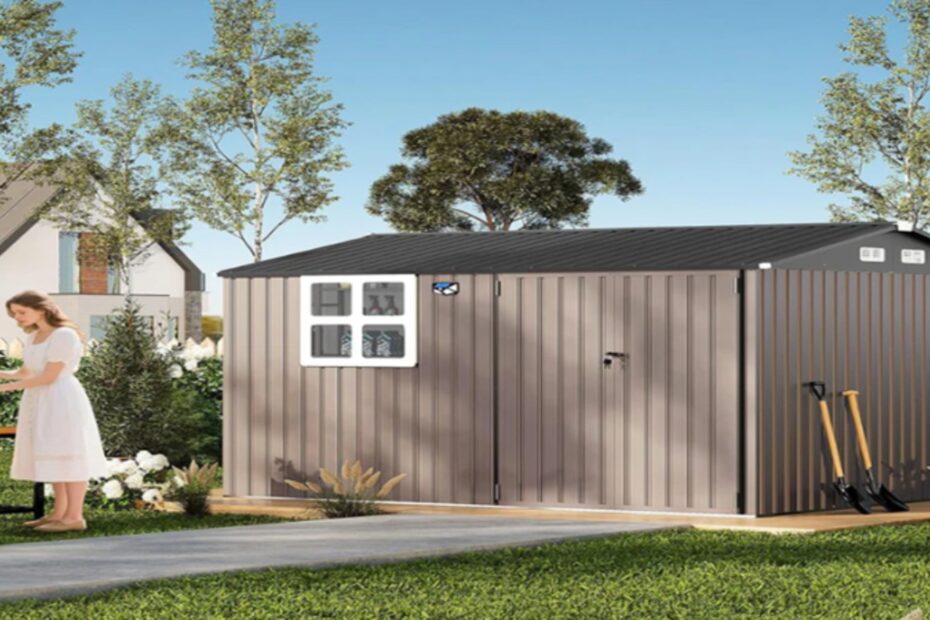
For gear kept at home between trips, durable outdoor storage solutions can help protect tents, folding chairs, coolers, and seasonal items until the next journey.
Good outdoor organization also makes packing for the return trip easier. When every item has a clear place, it is less likely to be lost, damaged, or left behind.
Choose Portable Outdoor Solutions That Serve a Purpose
Comfortable camping does not mean recreating an entire living room outdoors. It means choosing lightweight items that solve common problems without taking up too much space.
Useful portable outdoor solutions may include:
- Folding chairs with supportive backs
- A compact table
- Rechargeable lanterns
- A collapsible water container
- A portable shade canopy
- Foldable storage crates
- A weather-resistant ground mat
Choose multi-purpose items. A storage box may also work as a seat, while a blanket can serve as bedding, a picnic mat, or a wind cover.
Avoid packing equipment simply because it looks useful. Every item should be easy to carry, quick to set up, and valuable enough to justify the space it uses.
Set Up a Simple Outdoor Kitchen
Food is often one of the best parts of a weekend adventure, but an untidy cooking area can quickly become frustrating.
Plan simple meals with overlapping ingredients. Pre-cut vegetables and portion spices at home to reduce campsite work and waste.
Your travel equipment checklist should cover a stove and fuel, a lighter, basic cookware, utensils, water, a cooler, biodegradable soap, rubbish bags, and secure food containers.
Keep raw ingredients separate from ready-to-eat food. Store perishables safely and follow local rules for securing food from wildlife.
A small caddy or hanging organiser can hold utensils, paper towels, and seasonings. This keeps the table clear and supports better outdoor organization during meals.
Prepare for Changing Weather
Weather can change quickly in forest, coastal, mountain, or open areas. Strong outdoor adventure preparation should account for more than the ideal forecast.
Pack light layers that can be added or removed throughout the day. Include a waterproof outer layer, extra socks, sun protection, and something warm for the evening.
A groundsheet under the tent helps reduce moisture. A tarp can create shade, cover equipment, or protect the cooking area during light rain. Bring extra cord and stakes so it can be secured properly.
Keep one full set of dry clothing in a waterproof bag. This is especially important for children and should be treated as one of the main family camping essentials.
Do not depend only on phone flashlights. Carry headlamps or lanterns so people can move safely while keeping their hands free.
Keep Family Needs Easy to Reach
Family trips become smoother when children can find what they need without opening every container. Pack regularly used family camping essentials in one easy-to-reach bag or box.
Include water, snacks, sunscreen, insect repellent, wipes, hats, small towels, medications, and basic first-aid supplies.
Give each child a small personal bag for a flashlight, jacket, water bottle, and one activity. Cards, nature journals, and scavenger hunts provide simple entertainment without adding much weight.
Add a Final Safety Check
Safety should be part of the setup routine. Identify the nearest water source, ranger point, toilet, and emergency exit. Keep the first-aid kit visible and tell everyone where it is.
Check that tent lines are secure, cooking equipment is stable, food is protected, and fuel or knives are stored safely. Families should also agree on clear boundaries near water, roads, cliffs, or dense woodland. Add these checks to your travel equipment checklist.
Frequently Asked Questions
What is the most important part of a weekend camping setup?
Create a clear layout for sleeping, cooking, storage, and relaxation before unloading everything. A planned site improves comfort, reduces clutter, and supports safer movement.
How can beginners avoid overpacking?
Use a travel equipment checklist and prioritise items that serve more than one purpose. Pack for the number of days, expected weather, and planned activities rather than every possible situation.
Which family camping essentials should remain easy to reach?
Keep water, snacks, weather layers, sunscreen, insect repellent, wipes, flashlights, medications, and first-aid supplies near the top of your bags.
What portable items make camping more comfortable?
Folding chairs, rechargeable lanterns, collapsible water containers, compact tables, ground mats, and shade canopies are practical portable outdoor solutions for most short trips.
Conclusion
Comfortable weekend adventures are built on planning, not on carrying the largest amount of equipment. A clear campsite layout, reliable shelter, simple meals, accessible safety gear, and thoughtful storage can turn an ordinary campsite into a practical temporary home.
The most effective camping setup ideas reduce effort after arrival. Start with a realistic checklist, pack by activity, prepare for changing weather, and choose equipment that is portable and useful. Families can make trips easier by keeping important supplies visible and giving each person a simple personal kit.
With consistent outdoor adventure preparation and better outdoor organization, future journeys become faster to pack, easier to manage, and more enjoyable from arrival to departure.