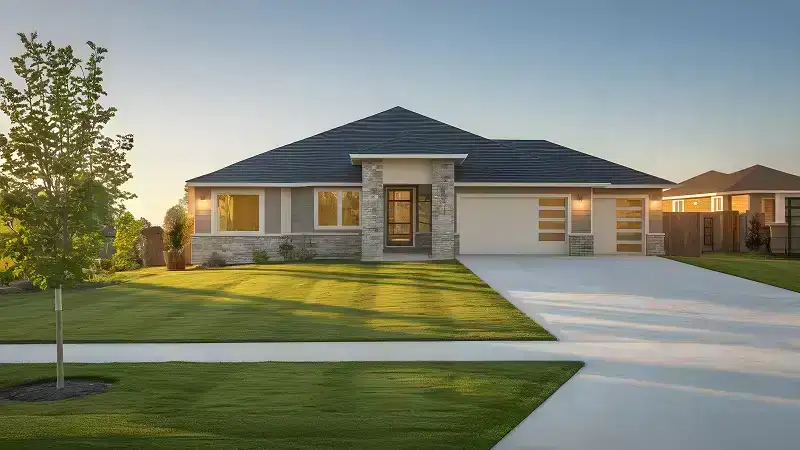
Creating a beautiful and functional home requires thoughtful planning, creativity, and informed decision-making. A well-designed living space improves comfort, reflects personal style, and adds long-term value. This Design, Renovation, and Decor Guide for Home offers a step-by-step approach to transforming any house into a welcoming and efficient space. From layout planning to final décor touches, each phase plays a crucial role in achieving a balanced and harmonious home environment.
Understanding Home Design Fundamentals
Home design is the foundation of any successful living space. It focuses on how rooms are arranged, how people move within the home, and how natural light, ventilation, and functionality come together. Good design balances aesthetics with practicality. Before starting any project, homeowners should assess their lifestyle needs. Families may prioritize open spaces and storage, while professionals might need home offices or quiet zones.
Design fundamentals include scale, proportion, balance, and flow. These principles ensure that furniture fits properly, rooms feel comfortable, and spaces connect naturally. A strong design plan also considers future needs. Flexible layouts allow homes to adapt as families grow or lifestyles change. Investing time in the design phase prevents costly mistakes later in renovation or decoration.
Planning a Successful Home Renovation
Renovation is the process of upgrading or modifying an existing structure to improve functionality, appearance, or value. Proper planning is the most important step in any renovation project. Start by defining clear goals. Decide whether the renovation focuses on aesthetics, structural improvements, energy efficiency, or resale value. Kitchens, bathrooms, and living areas are common renovation priorities because they significantly impact daily living and property value.
Budget planning is equally important. Costs should include materials, labor, permits, and a contingency fund for unexpected issues. Hiring qualified professionals such as architects, contractors, or interior designers can help ensure safety and quality. A well-organized timeline minimizes disruptions. Living arrangements, material availability, and inspection schedules should be planned in advance. Successful renovation is not about rushing but about making thoughtful improvements that last.
Choosing the Right Materials and Finishes
Materials and finishes define the look, durability, and maintenance requirements of a home. Selecting the right options ensures both beauty and longevity. Flooring choices range from hardwood and tiles to vinyl and carpets. Each has different benefits depending on room usage, moisture exposure, and foot traffic. Wall finishes such as paint, wallpaper, or textured panels influence mood and lighting.
Kitchen and bathroom materials require special attention due to moisture and heat. Countertops, cabinetry, and fixtures should balance durability with style. Sustainable and eco-friendly materials are becoming increasingly popular, offering energy efficiency and environmental benefits. Consistency across the home creates visual harmony. Mixing materials thoughtfully prevents cluttered or mismatched interiors while still allowing personal expression.
Interior Design Styles and Themes
Interior design styles give character and identity to a home. Choosing a consistent theme helps guide furniture selection, color schemes, and décor elements. Popular styles include modern, minimalist, traditional, contemporary, rustic, and Scandinavian. Modern design emphasizes clean lines and simplicity. Traditional style focuses on classic details and warm tones. Minimalist interiors reduce clutter and highlight functionality.
Homeowners can blend styles to create a personalized look, but balance is key. Too many styles can make a space feel chaotic. Selecting a primary theme and incorporating subtle variations ensures cohesion. Understanding personal preferences and daily habits helps in choosing a style that feels comfortable and timeless rather than trendy and short-lived.
Color Schemes and Lighting Design
Color and lighting significantly influence mood and perception of space. Thoughtful selection enhances comfort and visual appeal. Light colors make small rooms feel larger and brighter, while darker shades add warmth and depth. Neutral palettes provide flexibility, allowing décor changes without repainting. Accent colors add personality and focal points.
Lighting design includes ambient, task, and accent lighting. Natural light should be maximized through windows, mirrors, and open layouts. Artificial lighting should be layered to suit different activities such as reading, cooking, or relaxing. Smart lighting systems offer energy efficiency and convenience. Proper lighting transforms a well-designed room into a truly livable space.
Furniture Selection and Space Optimization
Furniture plays a vital role in functionality and comfort. Choosing the right size, style, and placement improves usability and flow. Measure spaces carefully before purchasing furniture. Oversized items can overcrowd rooms, while undersized pieces may feel insignificant. Multi-functional furniture such as storage beds, foldable tables, and modular sofas maximizes space efficiency.
Placement should allow easy movement and clear pathways. Furniture should support the room’s purpose, whether it is relaxation, dining, or work. Balance is achieved when furniture complements architectural features rather than competing with them. Thoughtful furniture selection ensures that every room feels purposeful and inviting.
Home Decor and Personal Touches
Decor adds personality and warmth to a home. It reflects the homeowner’s taste, experiences, and lifestyle. Decorative elements include artwork, rugs, curtains, cushions, plants, and accessories. These items bring color, texture, and character to interiors. Personal items such as photographs, souvenirs, and handmade pieces create emotional connections.
Layering decor prevents spaces from feeling flat. Mixing textures like wood, metal, fabric, and glass adds visual interest. However, moderation is essential. Over-decorating can lead to clutter and visual fatigue. Well-chosen decor completes the transformation, turning a house into a home.
Outdoor Spaces and Exterior Design
Exterior design and outdoor spaces are extensions of the home’s interior. They contribute to curb appeal and provide additional living areas. Landscaping, lighting, and exterior finishes should align with the home’s architectural style. Patios, balconies, and gardens offer spaces for relaxation and entertainment.
Outdoor furniture, plants, and weather-resistant materials enhance usability. Proper drainage and lighting improve safety and maintenance. Investing in exterior design increases property value and creates a welcoming first impression.
Maintenance and Long-Term Care
A well-designed and renovated home requires ongoing care. Regular maintenance preserves appearance and functionality. Cleaning routines, timely repairs, and seasonal inspections prevent minor issues from becoming major problems. Using durable materials reduces maintenance efforts.
Updating decor periodically keeps interiors fresh without major renovations. Simple changes such as new cushions, lighting fixtures, or wall art can refresh spaces affordably. Long-term care ensures that the effort invested in design and renovation continues to deliver comfort and value.
Conclusion
Designing, renovating, and decorating a home is a rewarding journey that combines creativity with practicality. A thoughtful approach ensures comfort, beauty, and functionality for years to come. This Design, Renovation, and Decor Guide for Home highlights the importance of planning, material selection, style consistency, and personal expression. By focusing on both aesthetics and usability, homeowners can create living spaces that truly reflect their lifestyle and aspirations. A successful home is not just about appearance. It is about how the space feels, functions, and supports everyday life. With careful decisions and a clear vision, any home can become a timeless and welcoming sanctuary.