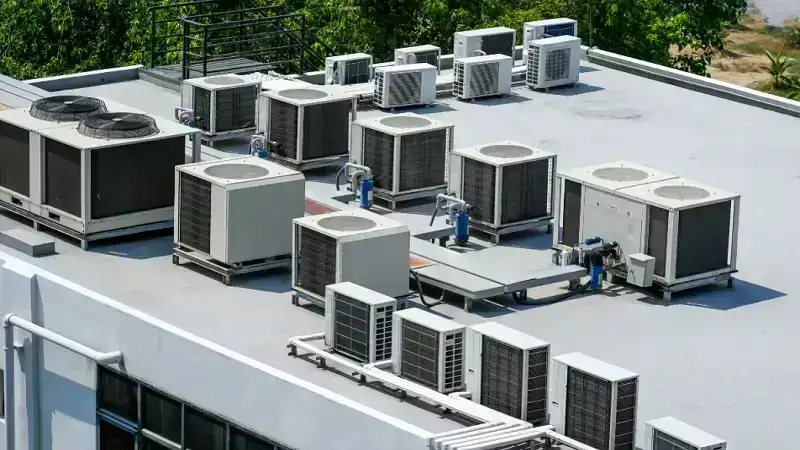
Commercial cooling equipment plays a major role in maintaining comfort, protecting products, and ensuring smooth operations. But when your system isn’t running efficiently, it quietly drains your finances through higher energy bills, increased repairs, and reduced productivity. Understanding the warning indicators can help you act early and keep those costs under control. This article explains the 10 Signs Your Cooling Unit Is Wasting Money in detail and helps you identify what’s going wrong, why it happens, and how you can address each issue effectively.
1. Rising Energy Bills That Don’t Match Usage
One of the first indicators that your cooling system is becoming inefficient is a steady rise in monthly energy bills. If your building operations haven’t expanded and you’re still seeing unusually high utility costs, your cooling equipment is likely working much harder than it should. This increased workload may be caused by worn-out components, dirty evaporator or condenser coils, insufficient refrigerant, or system age.
When the system’s internal parts struggle to operate, the cooling cycle extends, requiring more electricity to maintain temperature. Over time, this hidden inefficiency can lead to thousands of dollars in unnecessary expenses. Reviewing your monthly utility statements and comparing trends over six to twelve months can reveal patterns that point to system issues long before a breakdown occurs.
2. Uneven Cooling and Temperature Fluctuations
A well-functioning commercial cooling system should maintain consistent temperatures across all areas of your building. When you begin noticing hot spots, cold zones, or fluctuating temperatures, airflow is likely compromised. This imbalance may be due to dirty ducts, clogged air filters, blocked vents, leaking ductwork, or failing blower fans.
These disruptions force your cooling system to run longer to try and balance the temperatures, which results in wasted energy and added strain on mechanical components. In large buildings, inconsistent temperatures may also signal a problem with zoning controls or incorrect system sizing. Addressing airflow and temperature distribution issues early improves comfort for customers and employees and reduces the burden on your cooling unit.
3. Frequent Breakdowns and Persistent Repairs
If you find yourself calling an HVAC technician multiple times a year, your cooling system may be costing more to maintain than it should. Frequent repairs often indicate aging equipment, worn-out parts, dirty coils, or electrical issues. Rather than addressing the root cause, temporary fixes only delay bigger problems. The more the system fails, the more energy it wastes because each malfunction adds stress and decreases operational efficiency.
Over time, these repair costs accumulate, sometimes silently exceeding the price of installing a newer, more efficient unit. Monitoring your repair history helps determine whether you’re investing in a system that has reached its operational limit. A system requiring constant attention is almost always one that is consuming far more energy than necessary.
4. Strange Noises Coming From the System
Commercial cooling systems are designed to run smoothly and quietly. When your equipment begins producing unusual sounds such as grinding, banging, whistling, rattling, or buzzing, something is wrong internally. These sounds often signal issues like loose belts, failing bearings, damaged fans, or worn motors. Ignoring noise problems causes the system to operate inefficiently, wasting energy and increasing the likelihood of component failure.
Mechanical issues that produce noise also reduce airflow, restrict cooling capacity, or interfere with the system’s ability to regulate temperature. Early detection and repair not only protect your comfort but also significantly reduce your long-term energy expenses by restoring proper performance.
5. High Indoor Humidity Levels
Controlling humidity is a key function of any commercial cooling system. When you begin to notice excessive moisture, sticky surfaces, or a damp-feeling indoor environment, it’s a clear sign that the cooling unit is not performing at peak efficiency. High humidity can be caused by clogged coils, low refrigerant levels, oversized systems that cool too quickly, or inadequate ventilation.
A system struggling to control humidity must run longer cycle times, consuming more energy than necessary. In humid environments, employees may feel uncomfortable, customers may complain, and products can even be affected. Restoring proper humidity control improves comfort and dramatically reduces wasted energy.
6. Short Cycling (Frequent On-Off Patterns)
Short cycling occurs when your cooling unit turns on and off repeatedly without completing a full cooling cycle. This issue is one of the clearest signs of energy waste. Common causes include clogged filters, refrigerant leaks, faulty thermostats, airflow restrictions, or improperly sized equipment.
Short cycling forces the system to draw high amounts of electricity during each startup, drastically increasing energy usage. It also causes premature wear on compressors and fans, drastically shortening the system’s lifespan. Addressing short cycling early prevents major breakdowns and ensures the system operates efficiently.
7. Persistent Odors or Unpleasant Smells
Unusual odors coming from your cooling system should never be ignored. Foul or musty smells often indicate mold or mildew buildup inside ducts or coils. Electrical burning smells may signal overheating components or wiring problems. Dirty filters or stagnant water in drain pans can produce odors that spread throughout the building.
Odor-related problems typically form when airflow is restricted or moisture remains trapped inside the unit—both of which force the cooling system to use extra energy to function. Eliminating the source of the odor not only improves indoor air quality but also restores proper airflow and system efficiency.
8. The System Has Reached 10 to 15 Years of Age
Even the best cooling equipment becomes less efficient over time. After 10 to 15 years of operation, mechanical components wear down, refrigerant lines weaken, and motors lose power. Older systems may lack modern energy-efficient technology, causing them to use significantly more electricity than newer models.
As systems age, they require more frequent maintenance and cost more to keep running. Many older units operate at a fraction of the efficiency they once had, inflating energy costs significantly. If your system is approaching or exceeding this age range, replacement may be more cost effective than continuing to repair it. Upgrading can reduce energy consumption by 20–40%, which leads to significant long-term savings.
9. Inaccurate Thermostat Readings
When your thermostat displays temperatures that don’t match the actual conditions in the room, your system may be cooling more than necessary or not cooling enough. Faulty thermostats can result from sensor malfunctions, dust buildup, outdated wiring, or incorrect placement near heat sources.
Inaccurate readings cause the cooling unit to cycle at the wrong times, triggering longer cycles and higher energy use. Sometimes the thermostat may never receive the signal that the desired temperature has been reached, causing continuous operation. Recalibrating or replacing a malfunctioning thermostat is a low-cost solution that can significantly improve efficiency.
10. Excess Dust, Poor Ventilation, or Air Quality Issues
If you notice more dust around your workspace, worsening allergies, or a stale indoor environment, your cooling system may not be circulating and filtering air properly. Dirty air filters, clogged ducts, mold growth, or leaks in the ventilation system can all compromise airflow and force the equipment to consume more energy.
Restricted airflow pushes the system to work harder, lengthening cooling cycles and increasing electricity costs. Poor air quality also affects employee productivity and customer comfort. Routine cleaning and filter replacement dramatically improve system efficiency and create a healthier indoor environment.
Why Recognizing These Signs Saves Your Business Money
Identifying the 10 Signs Your Cooling Unit Is Wasting Money can prevent long-term damage and costly operational inefficiencies. When your cooling equipment works harder than necessary, it not only drives up utility bills but also shortens equipment lifespan. Addressing issues early helps stabilize your monthly operating expenses, improves reliability, and ensures your commercial space remains comfortable and productive.
Businesses that monitor their cooling performance often experience fewer breakdowns, lower repair costs, and improved energy efficiency year-round. Regular system assessments and preventive maintenance play an essential role in reducing avoidable expenses.
How to Protect Your System From Energy Waste
Taking preventive steps ensures your cooling equipment remains efficient, reliable, and cost-effective.
1. Schedule Professional Maintenance
Routine inspections allow technicians to spot early signs of trouble such as worn belts, compressor issues, refrigerant leaks, or airflow problems. Maintenance tasks like coil cleaning, filter replacement, and lubrication significantly improve efficiency and prevent sudden breakdowns.
2. Upgrade to High-Efficiency Equipment
If your system is old, unreliable, or consistently inefficient, upgrading may be the best financial decision. Modern cooling units use advanced technology that reduces energy consumption, improves cooling performance, and lowers long-term operating costs.
3. Improve Insulation and Sealing
Poor insulation or leaky doors allow cool air to escape, forcing the system to run longer. Improving insulation, sealing gaps, and maintaining proper door closures help reduce unnecessary strain.
4. Use Smart Thermostat Controls
Programmable or smart thermostats provide accurate temperature control and adjust cooling schedules automatically based on building use. These systems prevent overcooling and help you avoid energy waste during off-hours.
5. Monitor Energy Usage Regularly
Keeping track of utility bills helps identify unusual increases that signal system problems. A consistent record allows you to act early and evaluate whether maintenance or upgrades are needed.
Conclusion
Knowing the 10 Signs Your Cooling Unit Is Wasting Money empowers business owners and facility managers to act quickly and prevent costly inefficiencies. Rising energy bills, uneven cooling, frequent repairs, strange noises, and aging equipment all point to underlying problems that require attention. By recognizing these signs early and taking proactive steps—such as routine maintenance, system upgrades, and energy monitoring—businesses can save significant amounts of money while keeping their commercial spaces comfortable and efficient.